🎯 The Etude Challenge: Study Pieces, Serious Progress - Week 2
Attention tonebuddies! It's time to embrace the music that was literally designed to make you a better guitarist. Welcome to The Etude Challenge — four weeks dedicated to the art of the etude!
Etudes occupy a unique place in the classical guitar repertoire. They're technical workouts disguised as beautiful music — pieces that sharpen your skills while rewarding you with something genuinely worth performing. From the elegant simplicity of Carcassi and Sor to the rhythmic brilliance of Brouwer's Etudes Simples, the virtuosic fire of Villa-Lobos's 12 Études, and everything in between — there's an etude out there for every player at every level.
This challenge is your chance to pick one (or more!), commit to it, and share your journey with the community.
🎯 Whether you choose to:
- Tackle a classic — Sor Op. 35, Carcassi Op. 60, Giuliani Op. 48
- Go for something bold — Villa-Lobos, Barrios, or Coste
- Explore the modern side — Brouwer, Carlevaro, or Bogdanovic
- Revisit an old friend — Polish a piece you learned before and bring it to a new level
…this is your moment to dig in and grow. This challenge is open to all levels — whether you're working through your very first Sor etude or preparing a Villa-Lobos for the stage, you belong here.
📅 Challenge Dates
Start: February 23
End: March 20
💡 How to Participate
- Pick your etude – Choose one that excites you and challenges you. Not sure where to start? Ask the community for suggestions!
- Share your goal – Tell us what you're working on and what you want to achieve (clean run-through, memorization, performance tempo, etc.)
- Post your progress – Upload short clips, practice notes, or reflections as you go. We want to see the process, not just the polish.
- Engage – Listen to what others are working on, leave encouragement, and trade practice tips!
91 replies
-
As we start the second week of the Etude Challenge, I am coming to you from Terceira Island of the Azores. As I mentioned last week, I am not able to post anything current, but am sharing examples of the wide range of Abel Carlevaro's Estudios that he wrote. Here are two Microestudios that are included in his set of 20 Microestudios which were published in the 1990s.
-
Sor Op 29 No 24 - C section March 3
-
I play a few etudes frequently, and this afternoon I recorded a selection. I am very nervous when playing, even if I play for my camera. So, there are a few "additional" measures in two of the recordings...
-
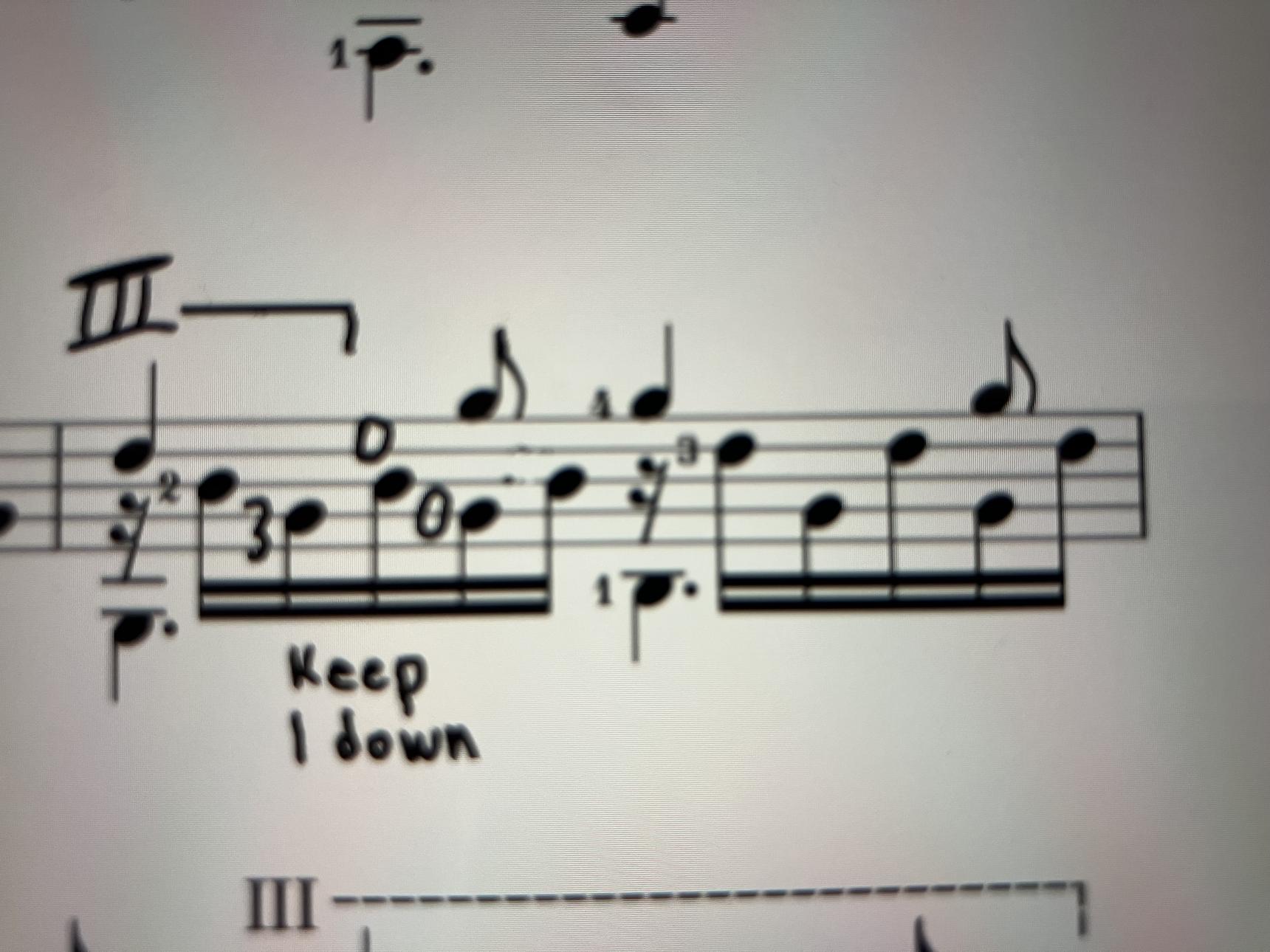
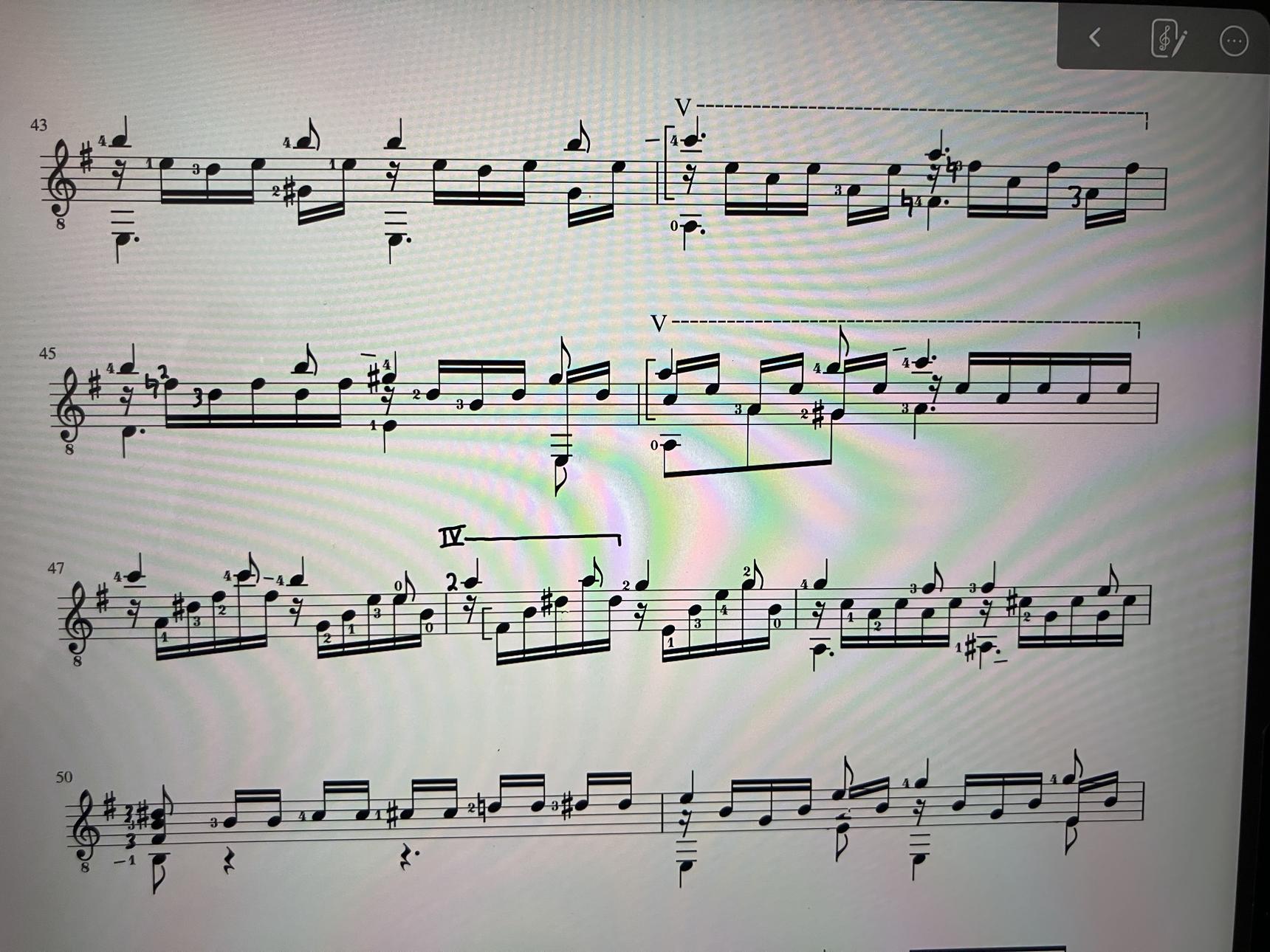
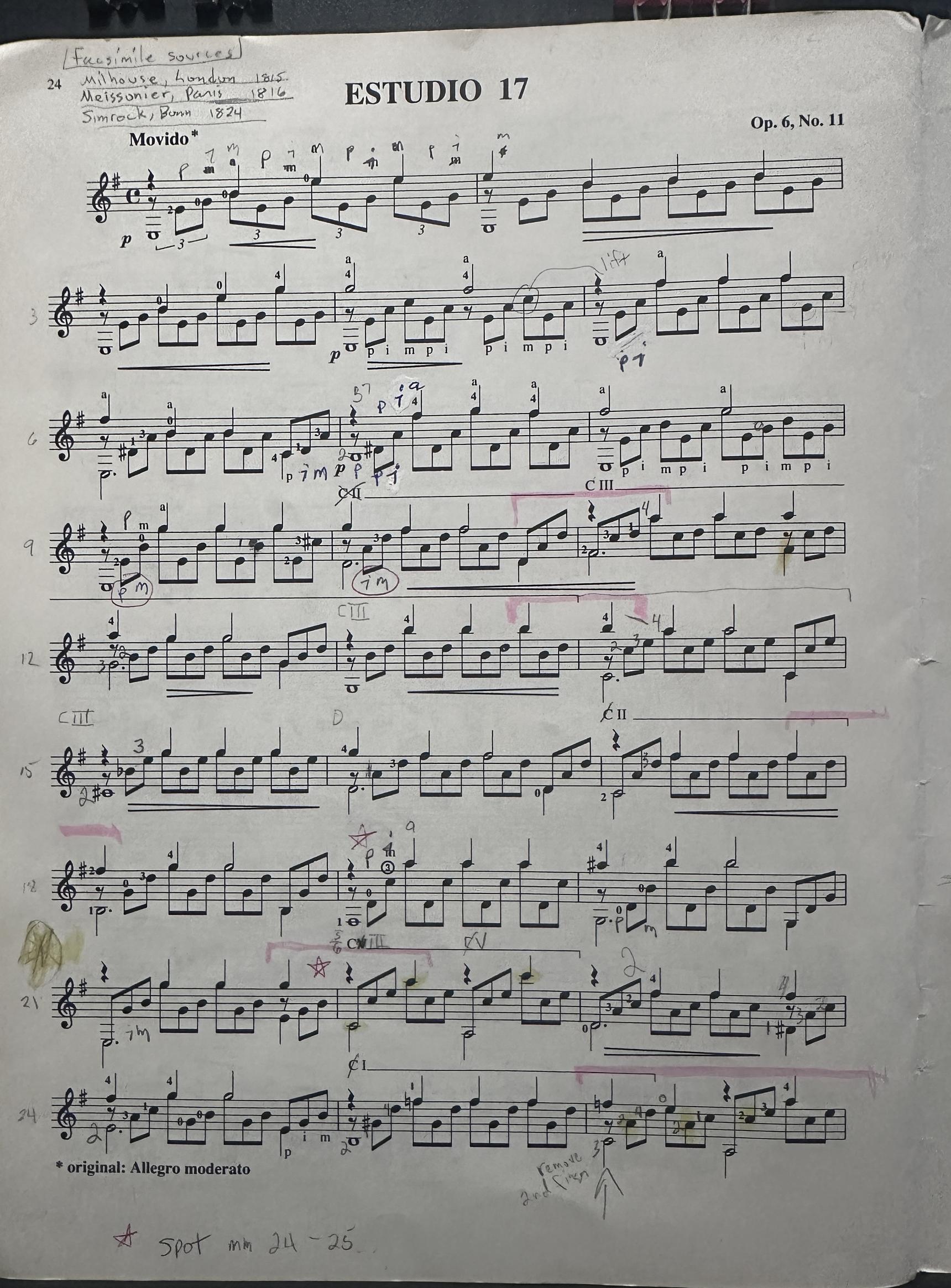
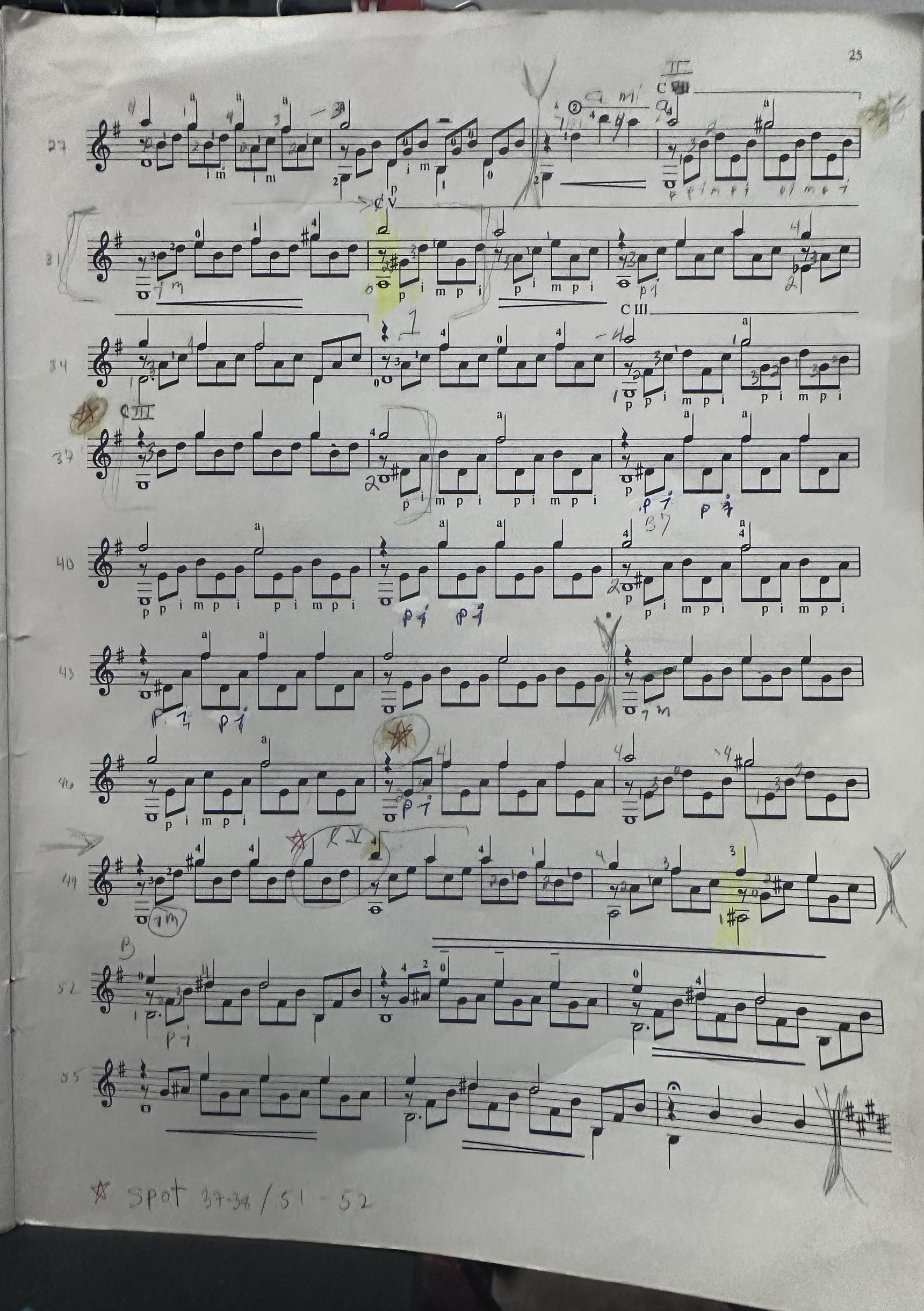
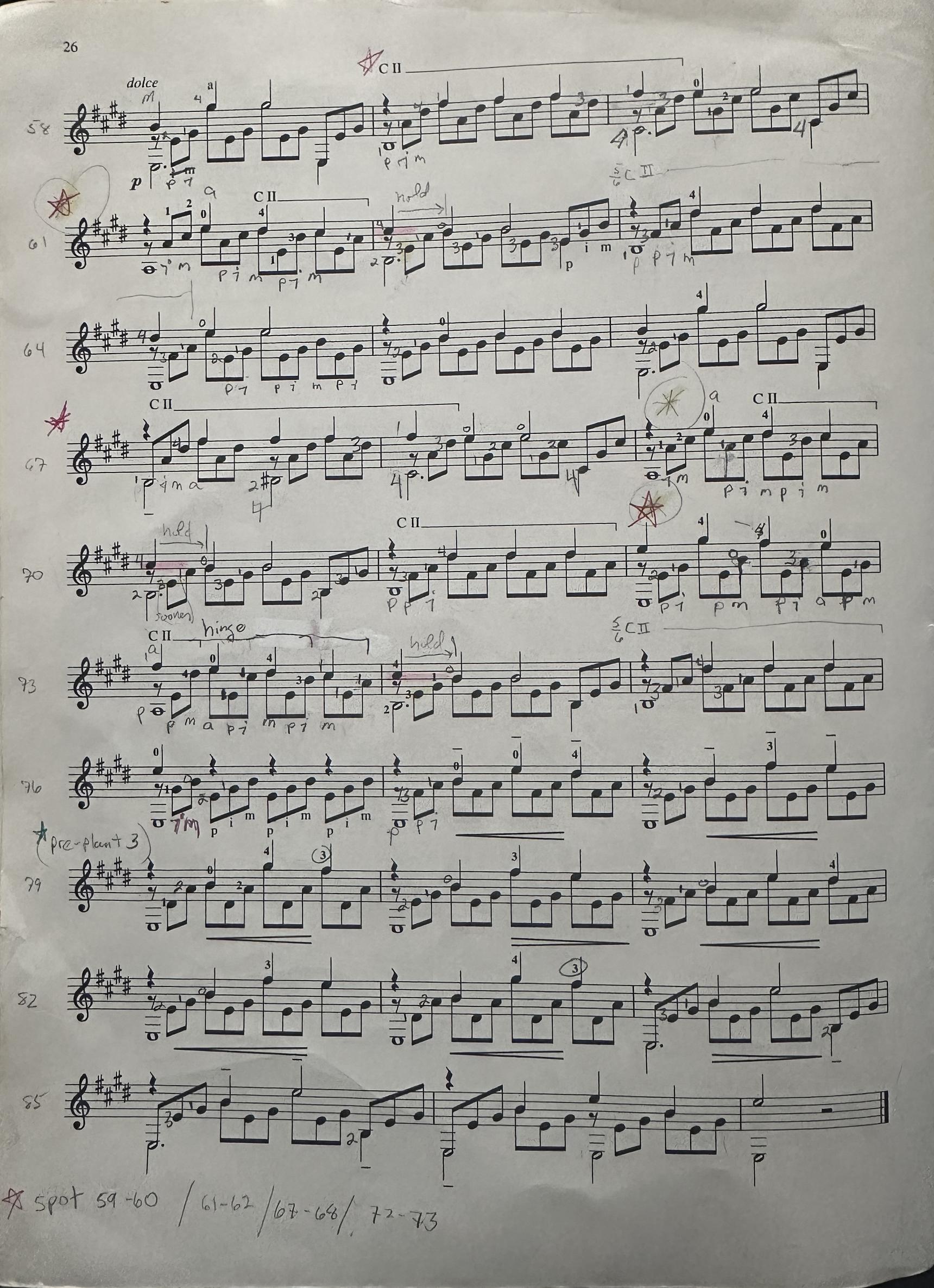
Hi everyone, This is kind of a longish video so I don't expect anyone to watch it, lol. It's my baseline of where I currently am with the piece and I discuss some challenges. I've just started hand therapy and my therapist told me to play less guitar this week so I'm a bit rusty. I also notice tension when I record so I'm going to record every day until the end of the challenge. That doesn't mean I'm going to spam you all every day with a recording. I'll just upload if progress is noticeable. It's mainly for me to practice feeling more comfortable recording. I've also uploaded my sheet music if anyone is interested in seeing the changes I've made. It's based on Segovia's version with some edits from various facsimiles, notably Milhouse, London 1815, Meissonier, Paris 1816, Simrock, Bonn 1824. Future videos will just be playing through without talking so they will be shorter.