Villa-Lobos Etude No. 1: Arpeggio Mastery and Beyond
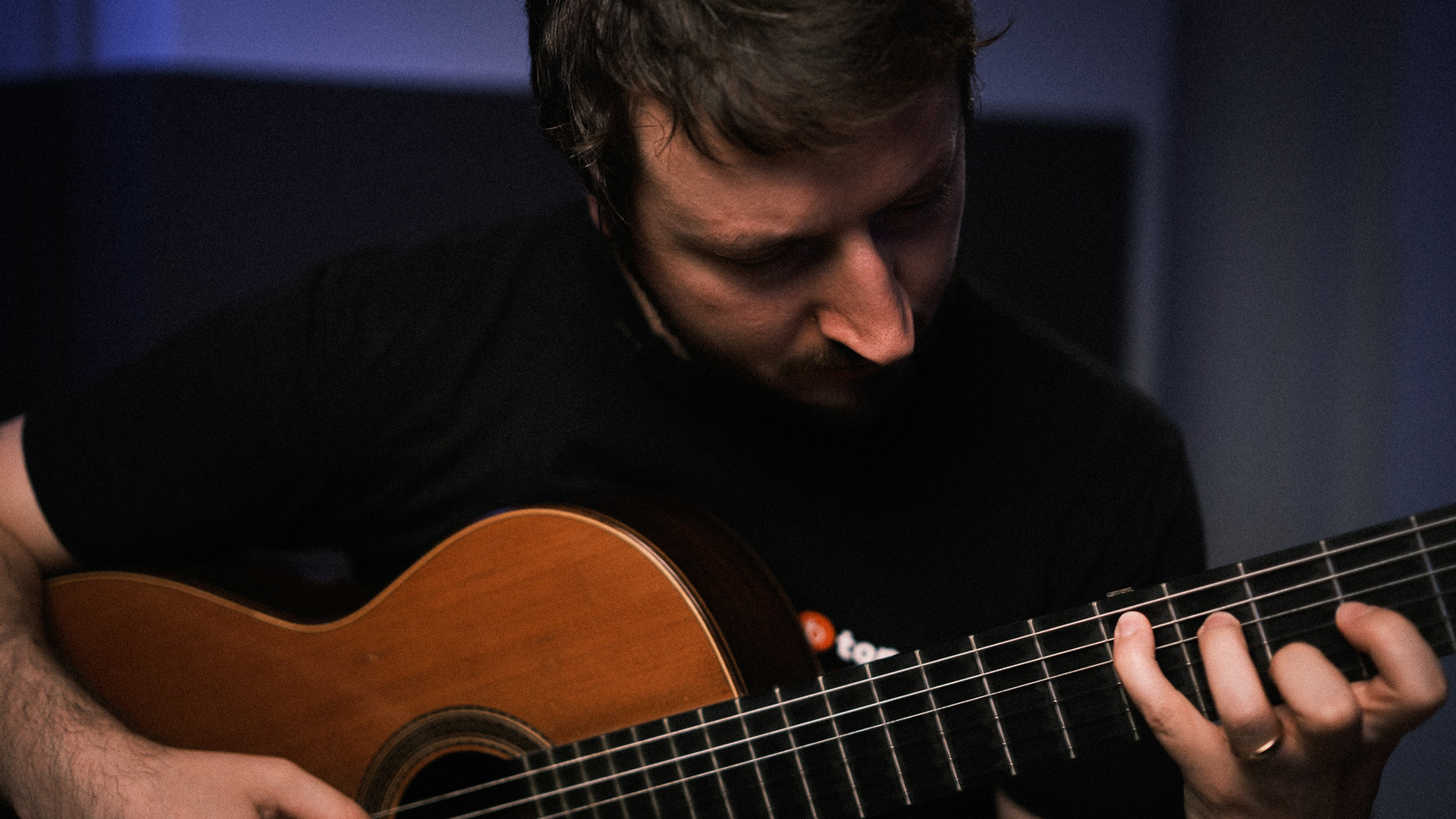
Villa-Lobos Etude No. 1 is one of the most iconic works in the classical guitar repertoire — and for good reason. On the surface, it's the ultimate arpeggio study: a relentless right-hand workout that builds speed, independence, and control. But dig deeper, and you'll find a piece rich in harmonic color, dynamic shaping, and expressive possibility. In this live stream, we'll break down the arpeggio patterns, explore efficient right-hand technique, and uncover the musical layers that transform this etude from a technical exercise into a concert-worthy performance piece. Whether you're learning it for the first time or revisiting it with fresh ears, this session will give you the tools to master the arpeggios — and bring the music to life.
23 replies
-
I have been using the VL Etude #1 (1st half) for my arpeggio exercise for quite a while. This might be a good incentive to revisit it as a repertoire piece. ( However, at my age, ".. with fresh ears" is out of the question.)
-
Heads up everyone! Tomorrow's stream has been moved 1 hour earlier — we'll now be starting at 9:00 AM PT instead of 10:00 AM. See you there!
-
Oh darn! I missed it. Oh well, I'll watch the video.
-
Some questionable advice here: Planting the right hand fingers is usually a no-no. I have been playing this for 60 years and never planted my fingers, and I studied with a Segovia student. You can watch Segovia on you tube and see that he does not plant his fingers.
-
I missed it but will watch it later... The way Segovia did something is hardly a manual to follow. I mean, he was a great artist but also a man of his time and many things have happend since...
-
I watched the live presentation and would recommend it. I've played the piece for 50 years and Martin presented a couple of left hand fingerings that I will adopt. That's why I'm here - to get new ideas and make me re-examine things that one can take for granted after so many years. He also clearly delineated the difference between using the etude as a practice vehicle and preparing it for performance, which I think is important to keep in mind.
-
Thank you for this lesson, Martin. Like , I've also used this etude more as an arpeggegio practice routine more than a performance piece. I've been using your advice on speed bursts for this piece from one of your earlier excerpts on this piece. It's helped me enormously in developing control and speed. I'll re-watch this livestream again to learn even more.
Regarding conversations on planting in this forum, I have to say I'm a big fan of planting, whether full, partial or sequential. Perhaps this is the way I've been initiated into learning the instrument, and I really trust the professionals here on TB. The results I've got by following their advice on various ways of planting have been great. Perhaps you can't always use planting in all scenarios but it's afforded me control and trained my fingers to gain tempo. But hey, I'm still learning, so what do I know.
-
I am a bit late and catching up on past livestream. This one was great and very instructive. Thanks Martin 👍